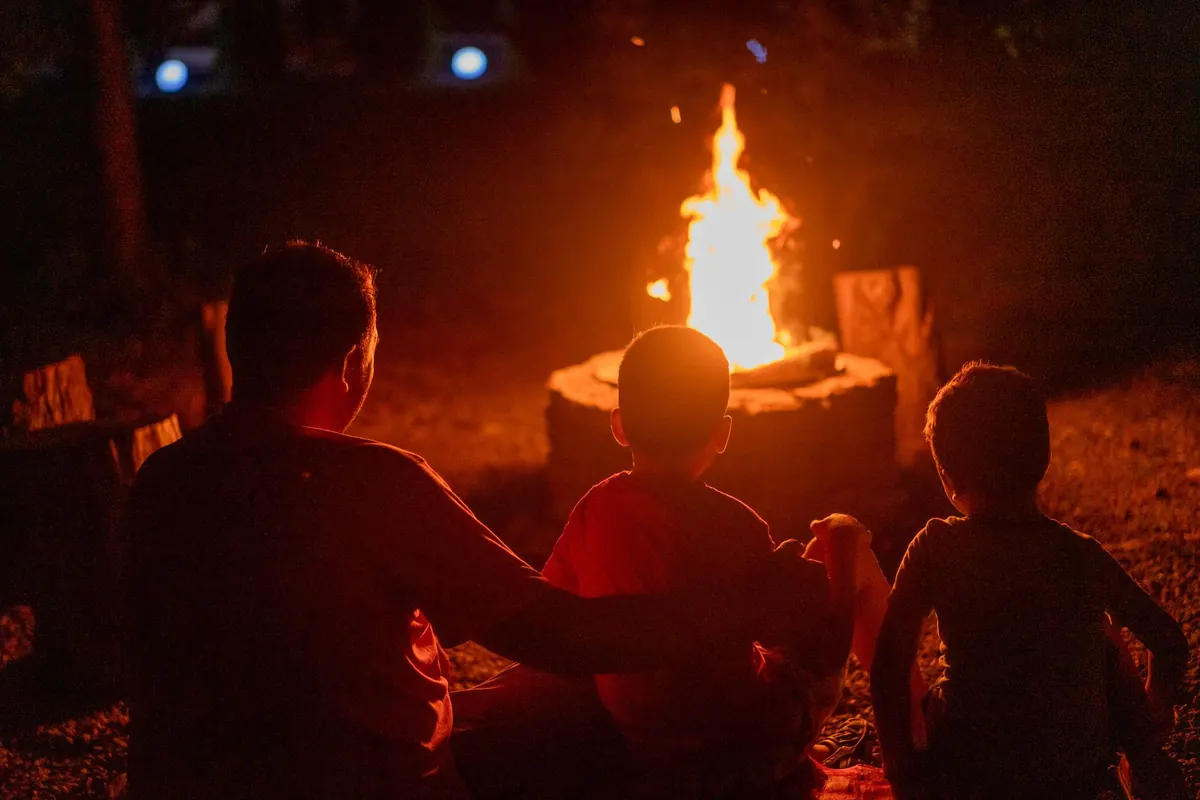
A ballad asks almost nothing of you. No headphones required, no liner notes, no prior knowledge. Someone starts singing about a cowboy who died on the prairie, or a bank robber shot in Missouri, and four verses later you know how the story ends and roughly how it felt. That plainness is the reason these songs have survived a century and a half of being sung badly around campfires. It is also the reason they can feel hard to enter: there is so much of it, so many versions, so many crackly recordings, that a newcomer hardly knows where to put the needle down first. This guide is a way in.
What a Western Ballad Actually Is
A ballad is a song that tells a story, and it usually tells it in the plainest way available. There is a character, often named. There is a place, often named too — Laredo, the Lone Prairie, El Paso, a stretch of the Chisholm Trail. Something happens, someone pays for it, and the last verse often carries a small warning or a request about where to bury the body.
The music tends to be simple: a verse repeated over and over, a chorus you can pick up by the second pass, a melody that does not show off. Many of these songs have no single author. They were made, remade, shortened, cleaned up and roughened again by people who never met. "The Streets of Laredo," for instance, borrows a tune that crossed the Atlantic long before anyone put a cowboy in it, and there are dozens of surviving versions with different details.
As I walked out in the streets of Laredo, as I walked out in Laredo one day…
That opening is the whole tradition in miniature: a walk, a place, and trouble ahead.
The Main Families of Western Ballads
You do not need to memorize categories, but knowing roughly which shelf a song sits on makes listening easier. Most of what you will hear falls into a handful of groups.
- Trail and work songs. Made to be sung while working — driving cattle, walking a horse at night, passing hours on a long drive. "The Old Chisholm Trail," "Whoopie Ti Yi Yo" and "I Ride an Old Paint" are the usual starting points. Listen for the rhythm; it is doing a job.
- Outlaw and badman ballads. Jesse James, Sam Bass, Billy the Kid, Cole Younger. These are often surprisingly sympathetic to their subjects, and they double as a kind of newspaper for people who could not read one.
- Death and disaster songs. "The Streets of Laredo," "Bury Me Not on the Lone Prairie," railroad wrecks, drownings, accidents. Grim, but rarely hopeless — the point is memory, not despair.
- Home and hardship songs. "Red River Valley," "Home on the Range." These are about distance, weather, leaving, and the strange ache of a place that is hard to live in and hard to leave.
- Corridos. Borderland ballads sung in Spanish, often about real events and real names, such as the Texas-Mexican story of Gregorio Cortez. If you only listen in English, you are missing a whole wing of the house.
- Singing-cowboy and country recordings. The 1930s Hollywood cowboy, then the honky-tonk and folk revival versions — polished, arranged, and often the reason these songs still exist.
Singers and Recordings Worth Starting With
You can go deep into field recordings later. First, get the songs in your ear through a few strong performances.
Marty Robbins, Gunfighter Ballads and Trail Songs is the easiest recommendation in the genre. It is a studio album from 1959, beautifully sung, and it holds together as a record. "El Paso" is the centerpiece; "Big Iron" is the one people hum afterward.
Johnny Cash for the plainspoken delivery and the way he lets a story breathe. Woody Guthrie for ballads with grit and politics in them. Ramblin' Jack Elliott for the sound of a song passed hand to hand. Ian Tyson and Tom Russell for modern writing that respects the old forms instead of imitating them. Don Edwards and Michael Martin Murphey if you want the traditional cowboy repertoire sung with care. Colter Wall if you want to hear what the tradition sounds like in a young, low, unadorned voice.
A Simple Four-Evening Listening Path
- Evening one: the bare bones. Find three old recordings — "The Streets of Laredo," "Bury Me Not on the Lone Prairie," "The Old Chisholm Trail." Do not take notes. Just notice which one you want to hear again.
- Evening two: the outlaws. Play two or three Jesse James or Sam Bass recordings back to back. Ask yourself whose side the singer is on. The answer is usually more interesting than you expect.
- Evening three: the album. Listen to Gunfighter Ballads and Trail Songs straight through, in order, without skipping. This teaches you how a set of ballads can hold a mood.
- Evening four: the stretch. One corrido, one modern interpreter, one folk-revival recording. Gregorio Cortez, then Ian Tyson or Colter Wall, then Woody Guthrie. Notice what changed and what stubbornly did not.
What to Listen For
Once the melodies stop being strange, the details start to open up. Listen for the names — of people, rivers, towns, trails. They are the proof that someone, somewhere, meant this. Listen for the turn in the story, usually in the third or fourth verse, where the singer stops describing and starts explaining. Listen for the moral, which is sometimes stated outright and sometimes quietly withheld.
And listen to the delivery. A ballad sung too prettily loses its edge; sung too roughly, it can turn into a museum piece. The best performers sound like someone telling you something they heard themselves, and they leave small pauses where a listener would nod.
Finding Versions Without Getting Lost
Field recordings from the early and mid-twentieth century are widely available now, and many are the closest thing we have to the songs as working tools rather than performances. Library collections, public archives and documentary compilations are good places to start, and they often come with notes that explain where a version came from and who sang it.
Learn one song properly rather than sampling thirty. Pick the one that stuck with you on the first evening, find three different recordings of it, and compare. This is where the tradition becomes legible: the same story, told three ways, by three people who each thought one detail mattered more than the rest.
Keeping the Thread Going
Sing one. Badly, alone, in the car. A ballad that stays on the page never quite makes sense; it was built to be carried by a voice, and yours will do. Then follow a single thread — a singer you liked, a place named in a verse, an outlaw who turns up in three different songs — and let it lead you sideways. The genre rewards wandering. You start with a cowboy dying in Laredo and end up reading about cattle drives, border history and a tune that came over from Ireland. That is not a detour. That is the whole point.
Photo: GregMontani / Pixabay